The 5 Best Air Purifiers for Bedrooms (2026): Quiet, Effective, Worth It
Compare picks & prices ↓We compared bedroom air purifiers on CADR, real-world noise levels, and long-term filter cost to find which ones are actually worth the nightstand space.
We may earn a commission from our links or codes.
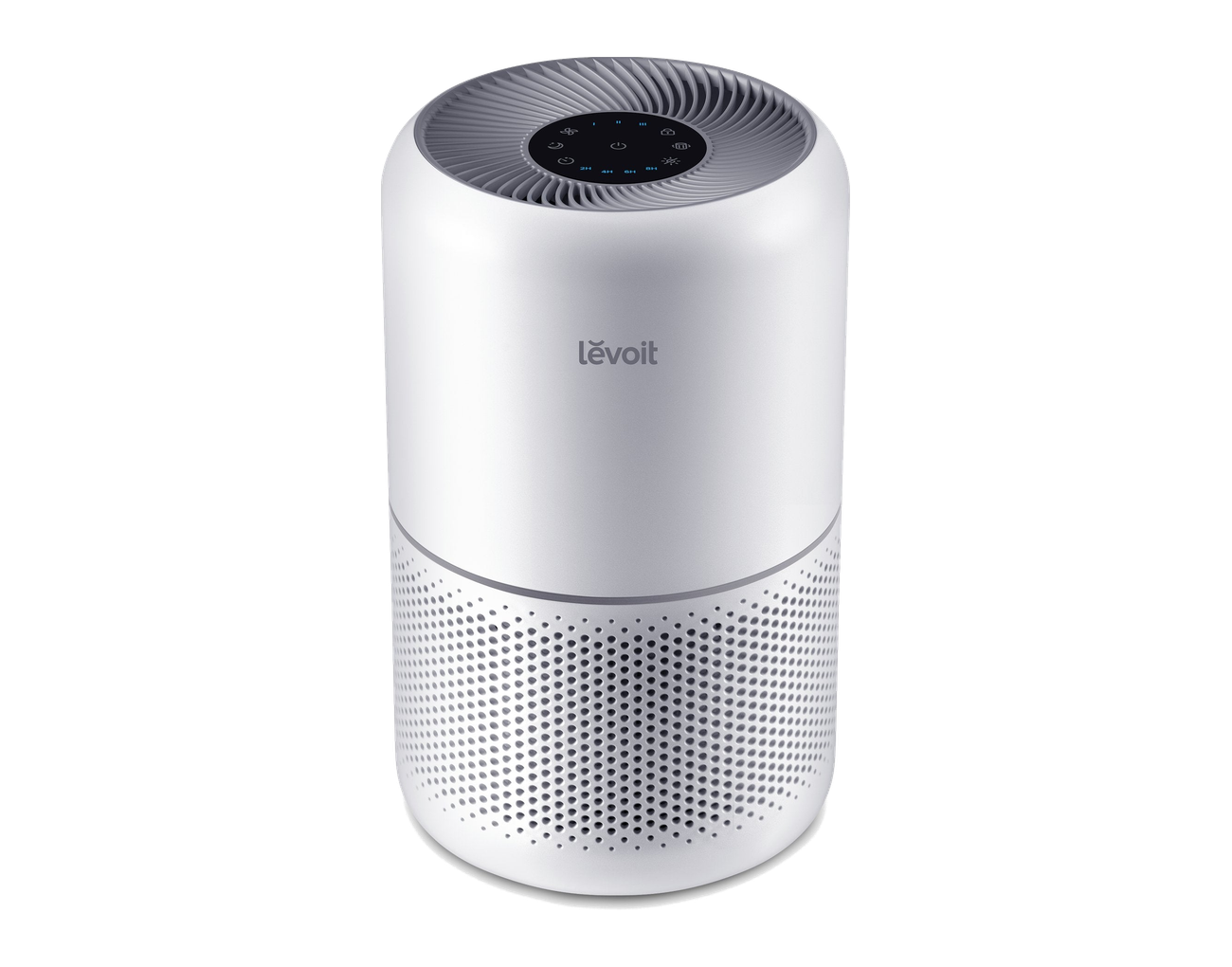
Choose by use case
- Levoit Core 300Definitely Well Worth ItBest for: Standard-sized bedrooms and people who want a no-fuss HEPA unit.Best for most people — quiet, compact, and easy to maintain.Our full reviewPrices change often; use the retailer link for the current price.
-
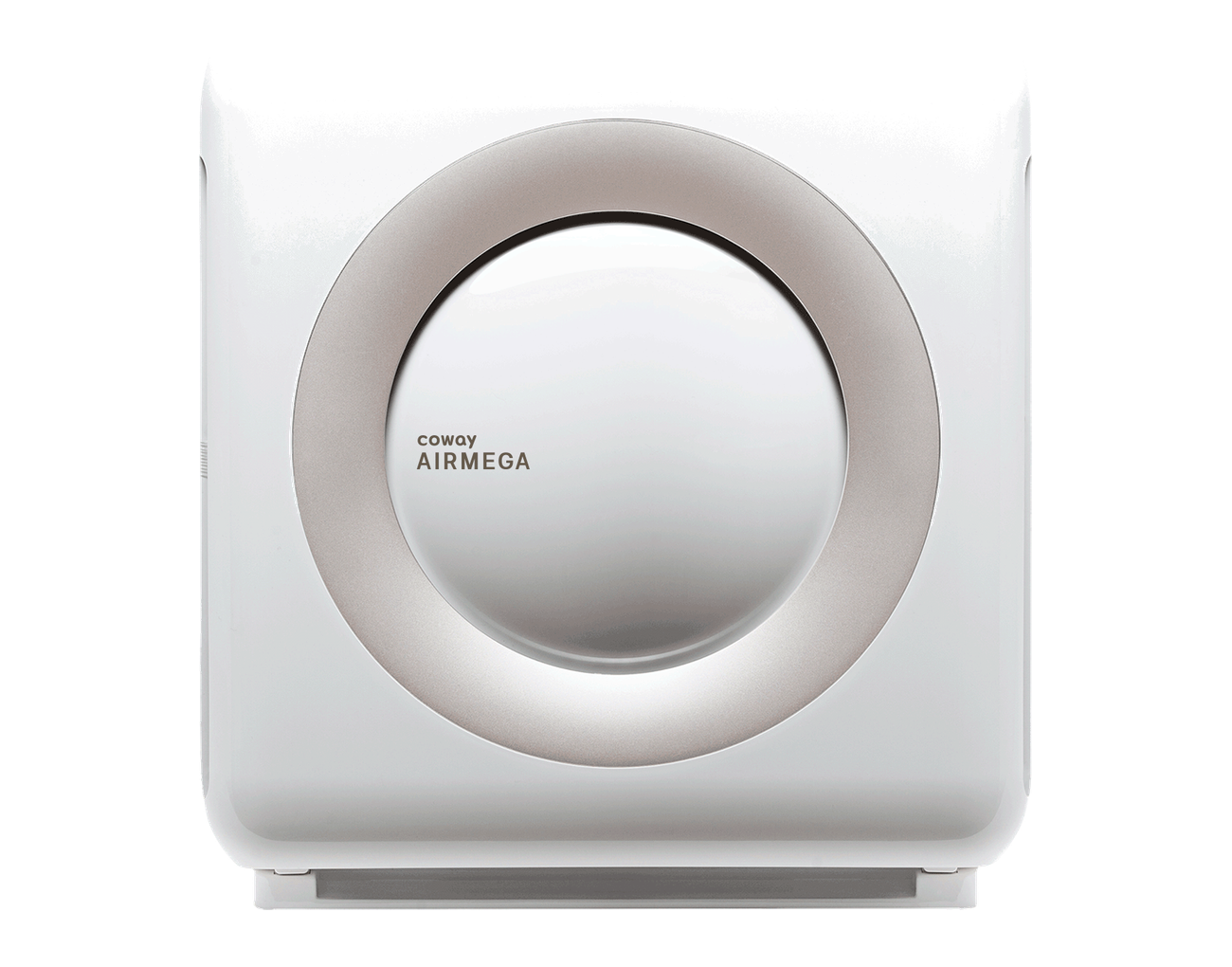 Coway Airmega AP-1512HHInstant UpgradeBest for: Allergy sufferers, pet households, and people who want the best long-term value.Best long-term value — proven performance, real air-quality feedback, and strong room coverage.Our full reviewPrices change often; use the retailer link for the current price.
 -
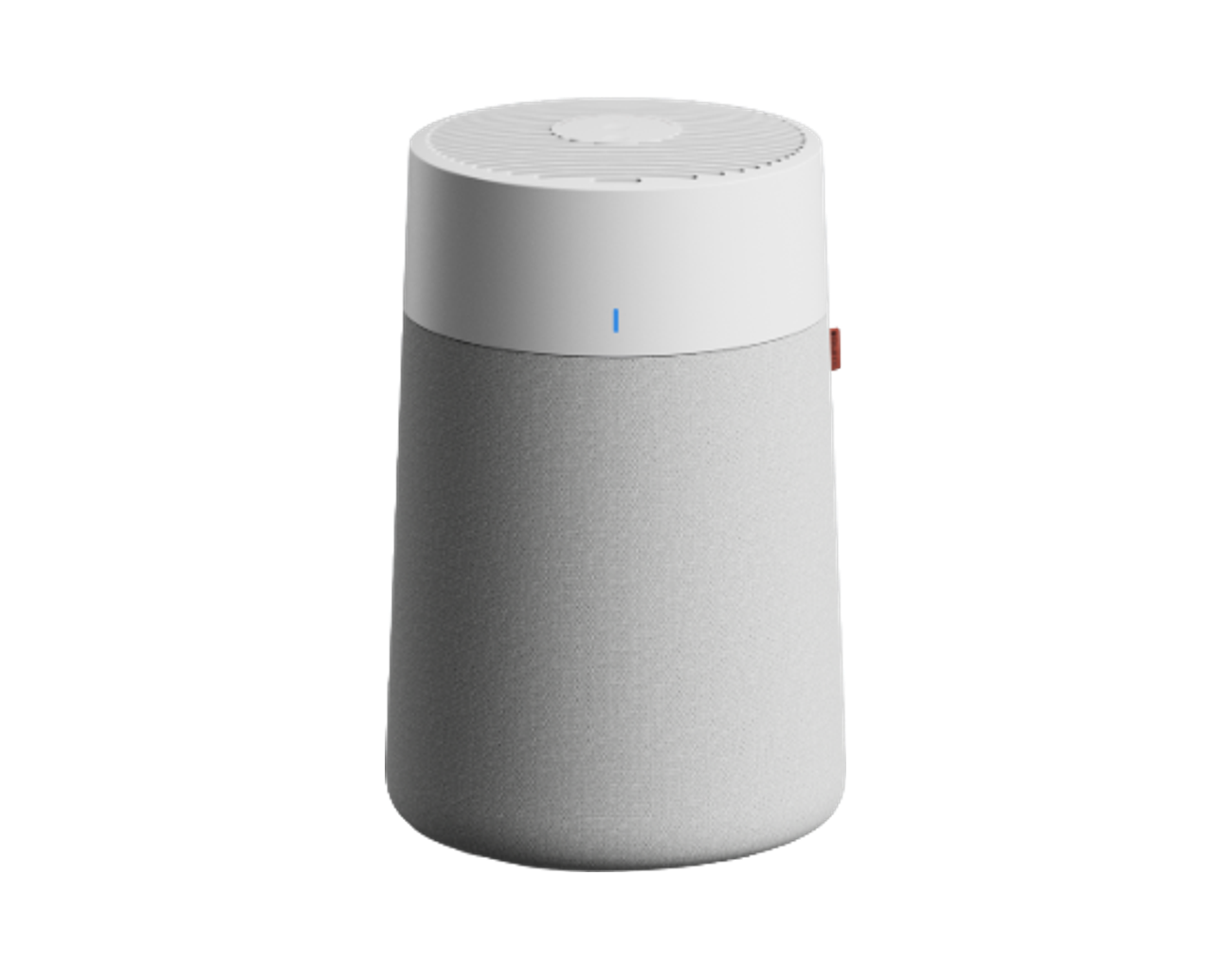 BLUEAIR Blue Pure 511i MaxStrong BuyBest for: Light sleepers and design-conscious small bedrooms.Best design and quietest operation — excellent if silence matters more than raw power.Our full reviewPrices change often; use the retailer link for the current price.
 -
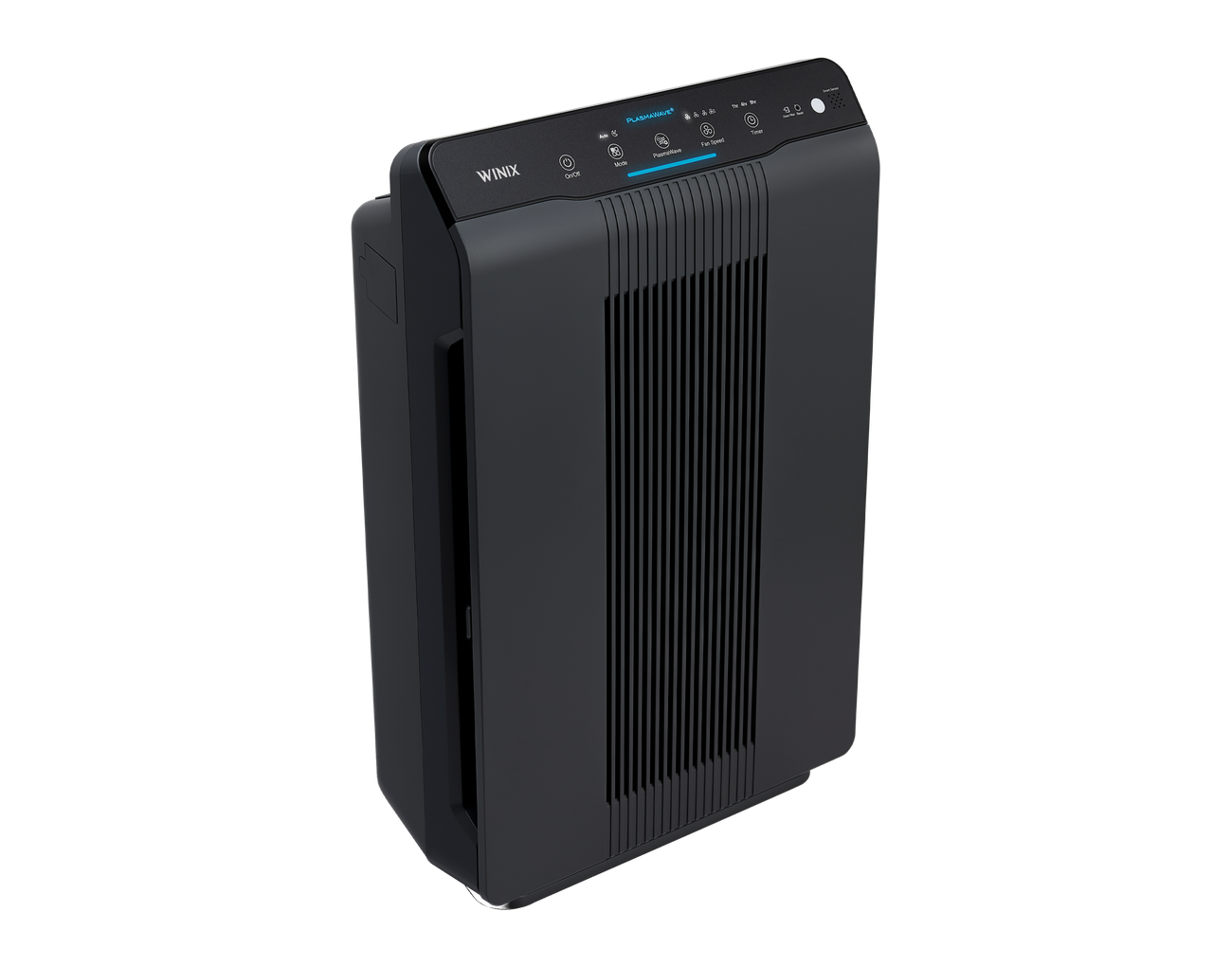 Winix 5500-2Strong BuyBest for: Bedrooms near kitchens, pet rooms, and homes dealing with odor.Best for odors and pet households — the carbon filter is the reason to buy it.Our full reviewPrices change often; use the retailer link for the current price.
 -
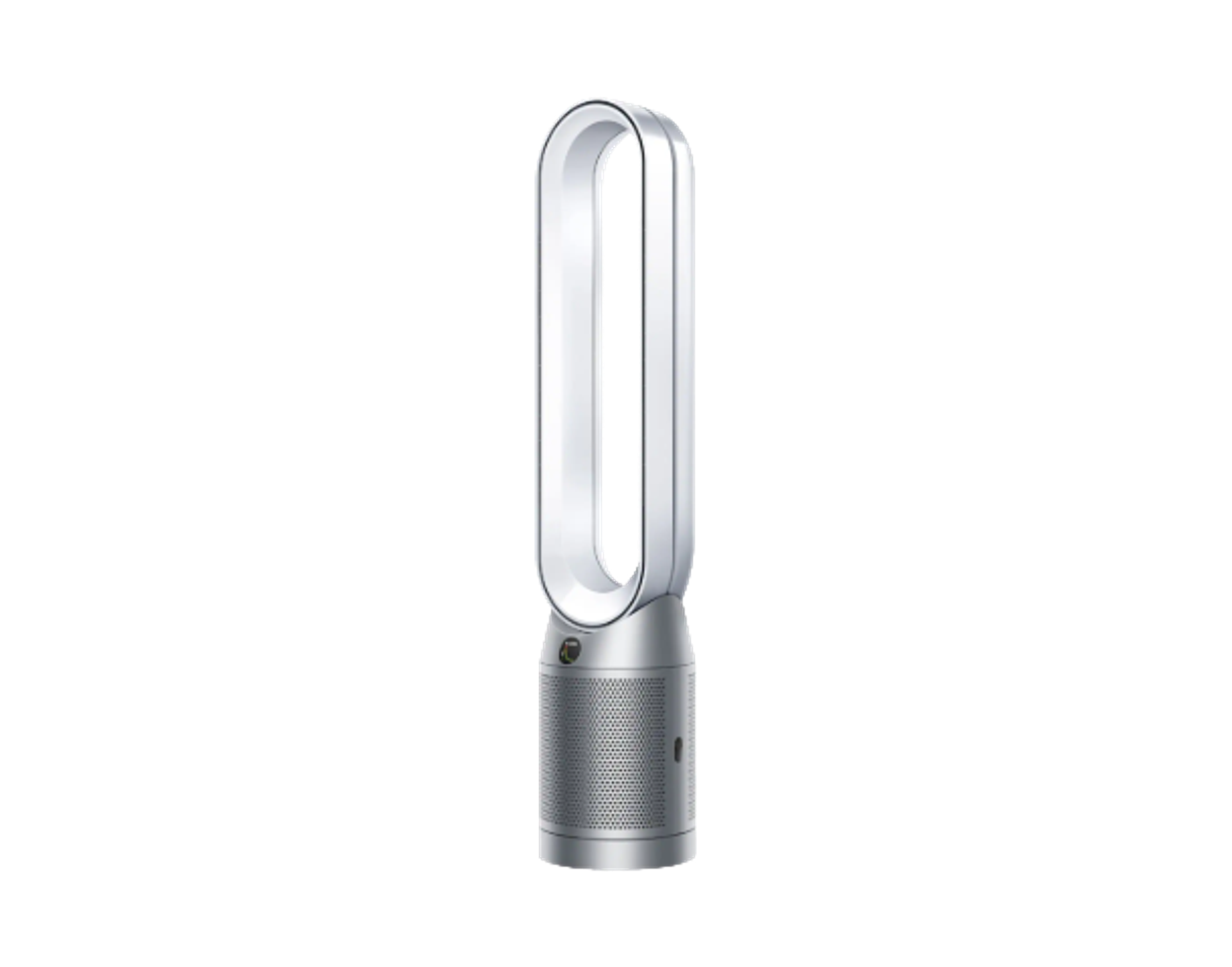 Dyson Purifier Cool TP07Good, But Not EssentialBest for: People who want a purifier, fan, app, and design object in one.Best premium pick — excellent features, but the value math is hard.Our full reviewPrices change often; use the retailer link for the current price.
How we'd choose
| Pick | Our call | Buy it for | The catch |
|---|---|---|---|
| Levoit Core 300 | Definitely Well Worth It | Standard-sized bedrooms and people who want a no-fuss HEPA unit. | — |
| Coway Airmega AP-1512HH | Instant Upgrade | Allergy sufferers, pet households, and people who want the best long-term value. | — |
| BLUEAIR Blue Pure 511i Max | Strong Buy | Light sleepers and design-conscious small bedrooms. | — |
| Winix 5500-2 | Strong Buy | Bedrooms near kitchens, pet rooms, and homes dealing with odor. | — |
| Dyson Purifier Cool TP07 | Good, But Not Essential | People who want a purifier, fan, app, and design object in one. | — |
-
Levoit Core 300
- Our call
- Definitely Well Worth It
- Buy it for
- Standard-sized bedrooms and people who want a no-fuss HEPA unit.
- The catch
- —
-
Coway Airmega AP-1512HH
- Our call
- Instant Upgrade
- Buy it for
- Allergy sufferers, pet households, and people who want the best long-term value.
- The catch
- —
-
BLUEAIR Blue Pure 511i Max
- Our call
- Strong Buy
- Buy it for
- Light sleepers and design-conscious small bedrooms.
- The catch
- —
-
Winix 5500-2
- Our call
- Strong Buy
- Buy it for
- Bedrooms near kitchens, pet rooms, and homes dealing with odor.
- The catch
- —
-
Dyson Purifier Cool TP07
- Our call
- Good, But Not Essential
- Buy it for
- People who want a purifier, fan, app, and design object in one.
- The catch
- —
As an Amazon Associate, we may earn from qualifying purchases.
A bedroom air purifier has two jobs: actually clean the air, and stay quiet enough that you forget it’s running. Most “best of” lists copy the top-rated Amazon items and call it a day. We looked at the things that actually matter — Clean Air Delivery Rate (CADR), real noise levels at night, and what you’ll pay for replacement filters two years from now.
The purifier worth buying is the one quiet enough to sleep with and sized for the bedroom, not the one with the longest feature list. Where we have not lived with a unit, we say so and lean on certifications and long-term owner reports.
Related cleaner-living reads: our LifeStraw Home review and best water filters for microplastics cover water quality with the same evidence-first lens.
Quick Picks
- Best for most people: Levoit Core 300
- Best long-term value: Coway Airmega AP-1512HH
- Best design + quietest operation: BLUEAIR Blue Pure 511i Max
- Best for odors and pet households: Winix 5500-2 (discontinued May 2025 — buy remaining stock only at a genuine discount; see below)
- Best premium pick: Dyson Purifier Cool TP07
Verified specs at a glance
Checked September 2026. CADR is the AHAM-verified clean-air delivery figure; coverage is stated at allergy-grade air changes rather than the larger marketing figure.
| Model | Smoke CADR | Realistic coverage | Notes |
|---|---|---|---|
| Coway Airmega AP-1512HH | 233 | ~361 sq ft @ 4.8 ACH | Best verified air-per-dollar; washable pre-filter; 3-yr warranty |
| Levoit Core 300 | 141 | ~219 sq ft @ 4 ACH | No ionizer; all-in-one cartridge ~$30 |
| BLUEAIR Blue Pure 511i Max | ~125 (AHAM) | ~236 sq ft | Quietest; coverage figures restated under new DOE standard |
| Winix 5500-2 | rated ~360 sq ft | — | Discontinued May 2025; filters guaranteed to 2032 |
| Dyson Purifier Cool TP07 | not published | — | Dyson does not submit for AHAM CADR testing |
Two things worth knowing before you buy.
The Winix 5500-2 was discontinued by Winix America in May 2025. It remains a genuinely good machine — its pelletized activated carbon filter is better for odors than the thin carbon layers most competitors use — and Winix has committed to supplying replacement filters through 2032. But availability is now inconsistent and remaining stock is often priced opportunistically. Buy it only at a real discount; otherwise the Coway is the safer recommendation.
Dyson does not publish CADR figures for the TP07, having opted out of the AHAM testing programme that nearly every other manufacturer uses. Independent testing places its clean-air delivery well behind dedicated purifiers at similar prices. It is an excellent fan, monitor and object — it is not the most air cleaned per dollar.
What to Look For in a bedroom air purifier
A few things matter more than the marketing claims:
True HEPA, not “HEPA-type.” True HEPA filters capture 99.97% of particles down to 0.3 microns. “HEPA-type” or “HEPA-like” is unregulated language and can mean almost anything.
CADR matched to your room. CADR (Clean Air Delivery Rate) tells you how much filtered air the unit actually moves. As a rule of thumb, your purifier’s CADR for smoke should be at least two-thirds of your room’s square footage.
Noise levels at the lowest setting. Most people run their bedroom purifier on low or sleep mode. The “quiet” rating that matters is the minimum, not the average.
Filter replacement cost. A cheap purifier with $80 filters every six months isn’t actually cheap. Multiply the annual filter cost over three years before you decide.
Skip the ionizers if you can. Some purifiers include ionizers or “PlasmaWave” features that produce small amounts of ozone. They’re optional on most units. We’d leave them off.
1. Levoit Core 300 — Best for most people
Best for: Standard-sized bedrooms and people who want a no-fuss unit.
Why it stands out: It’s the default starting point in this category for a reason. Real True HEPA filtration, a properly quiet sleep mode, and replacement filters that are easy to find at a fair price. No app, no smart features, no learning curve.
Pros
- Genuinely quiet on sleep mode
- Compact footprint that disappears on a nightstand
- Replacement filters widely available and reasonably priced
- Three filter options (Original, Toxin Absorber, Pet Allergy) so you can match it to your situation
Cons
- No air quality sensor
- Manual controls only — no app or scheduling
- CADR is rated for smaller rooms
Editorial take: Definitely Well Worth It
|---|---|---|---|---|---| | Excellent | Excellent | Strong | Excellent | Strong | Yes |
Who should buy it: Anyone who wants reliable HEPA filtration in a bedroom under ~220 sq ft without paying for features they won’t use.
Who should skip it: People with large open-concept bedrooms, or anyone who wants smart-home integration.
2. Coway Airmega AP-1512HH — Best long-term value
Best for: Allergy sufferers and pet households.
Why it stands out: This unit has been a category benchmark for nearly a decade, and there’s a reason it keeps showing up on every serious recommendation list. Four-stage filtration, a real air quality indicator, and an Eco Mode that actually works — the fan shuts off when air is clean and ramps back up when it isn’t.
Pros
- Strong CADR for room size — punches above its weight
- Air quality sensor with visible feedback
- Eco Mode genuinely saves filter life
- Track record of reliable long-term use
Cons
- Industrial design isn’t for everyone
- Includes an optional ionizer (we’d recommend leaving it off)
- Slightly louder than the Levoit on equivalent settings
Editorial take: Instant Upgrade
|---|---|---|---|---|---| | Excellent | Excellent | Excellent | Strong | Excellent | Yes |
Who should buy it: People with allergies, pets, or anyone who wants a unit that just works for years without thinking about it.
Who should skip it: Minimalists who want something that hides on a nightstand.
3. BLUEAIR Blue Pure 511i Max — Best design and quietest operation
Best for: Light sleepers and design-conscious bedrooms.
Why it stands out: Blueair uses what they call HEPASilent technology, which combines mechanical filtration with an electrostatic charge. The result is a less dense filter, which means the fan doesn’t have to work as hard — so it runs quieter at the same air-cleaning output. The 360-degree intake also means placement is more flexible than rectangular units.
Pros
- Among the quietest in the category
- 360-degree intake — works in corners
- Washable colored fabric pre-filter sleeves
- Looks more like furniture than appliance
Cons
- Replacement filters cost more long-term
- Fewer fan speeds than competitors
- Best suited to smaller rooms
Editorial take: Strong Buy
|---|---|---|---|---|---| | Strong | Solid | Excellent | Excellent | Strong | Yes |
Who should buy it: Light sleepers, design-conscious buyers, and anyone in a smaller bedroom who values silence over raw power.
Who should skip it: People who care most about the lowest possible cost over five years.
4. Winix 5500-2 — Best for odors and pet households
Best for: Kitchens-attached-to-bedrooms, smokers nearby, or homes with multiple pets.
Why it stands out: The carbon filter on the Winix is the real differentiator. Most budget purifiers use a thin carbon-coated mesh; the Winix uses an actual washable carbon-pellet filter that handles odors better than anything else in the price range.
Pros
- Strong CADR for the price
- Excellent carbon filter for odors
- Includes a remote and air quality indicator
- Larger room coverage than most at this tier
Cons
- Larger footprint than the Levoit
- Includes a PlasmaWave ionizer (we’d recommend leaving it off)
- Replacement filter set is bulkier and pricier than the Levoit’s
Editorial take: Strong Buy
|---|---|---|---|---|---| | Excellent | Strong | Strong | Strong | Strong | Yes |
Who should buy it: Anyone dealing with cooking smells, pet odors, or smoke drift from outside.
Who should skip it: People in small bedrooms who don’t have an odor problem — the Levoit will do the same particle work for less money.
5. Dyson Purifier Cool TP07 — Best premium pick
Best for: Buyers who want a fan, a purifier, and a piece of design in one.
Why it stands out: The TP07 is fully sealed to HEPA H13 standards, meaning the entire airflow path is sealed, not just the filter — so contaminants can’t bypass it through gaps. The LCD display, app integration, and oscillating fan function genuinely do more than the cheaper units.
Pros
- Sealed HEPA H13 build is the strictest in this lineup
- Doubles as a cooling fan — useful in summer
- Best app and air quality reporting in the category
- Looks intentionally placed in a room, not hidden
Cons
- Significantly more expensive
- Replacement filters are pricey
- Not as quiet on lower settings as the Blueair
Editorial take: Good, But Not Essential
|---|---|---|---|---|---| | Excellent | Fair | Excellent | Excellent | Strong | Maybe |
Who should buy it: People who want a purifier that’s also their bedroom fan, value real-time air quality data, and don’t want to look at a plastic appliance.
Who should skip it: Anyone who can’t justify the price gap over the Coway, which does most of the same air-cleaning work for a fraction of the cost.
Comparison
| Feature | Levoit Core 300 | Coway AP-1512HH | Blueair 511i Max | Winix 5500-2 | Dyson TP07 |
|---|---|---|---|---|---|
| Best for room size | ~220 sq ft | ~360 sq ft | ~220 sq ft | ~360 sq ft | ~400+ sq ft |
| Filtration | True HEPA | True HEPA | HEPASilent | True HEPA | Sealed HEPA H13 |
| Air quality sensor | No | Yes | No | Yes | Yes |
| Smart app | No | No | No | No | Yes |
| Doubles as fan | No | No | No | No | Yes |
| Includes ionizer | No | Optional | No | Optional | No |
How We Test
We chose these by room size, noise, filter cost, and certifications. We have not lived with every unit. Where that matters, we used owner reports and third-party noise testing instead of guessing.
Final verdict
For most people, the Levoit Core 300 is the right answer. It does the job a bedroom air purifier needs to do, quietly, for a fair price. If you have allergies, pets, or want something that’ll still be running well in five years, spend the extra money on the Coway Airmega AP-1512HH — it’s the one we’d buy for ourselves.
The Dyson is genuinely better than the rest in build quality and features, but the price gap is hard to justify unless you also want it as your primary bedroom fan.
FAQ
Do I need True HEPA, or is HEPA-type fine? True HEPA is the only certified standard. “HEPA-type” or “HEPA-like” are unregulated marketing terms. If the spec sheet doesn’t say “True HEPA” or “HEPA H13,” assume it’s not.
Should I run an air purifier all night? Most are designed to run continuously. Sleep modes are quiet enough that this is genuinely fine, and air quality is highest in a closed bedroom overnight when it’s working hardest.
How often do I really need to replace the filter? Most manufacturers say 6–12 months. The honest answer is: when it looks gray, smells funky, or the airflow drops noticeably. Indicator lights are usually conservative.
Are ionizers safe? Some ionizers produce trace amounts of ozone. They’re optional on most units that include them. If you’re sensitive or have respiratory issues, leave them off — you’ll still get the HEPA filtration.
What size purifier do I need for my bedroom? Match the unit’s CADR to about two-thirds of your room’s square footage at minimum. A 200 sq ft bedroom is fine with a unit rated for 200–250 sq ft. Bigger isn’t always better — oversized units run louder than necessary.
-
Levoit Core 300
Definitely Well Worth It · Standard-sized bedrooms and people who want a no-fuss HEPA unit.
-
Coway Airmega AP-1512HH
Instant Upgrade · Allergy sufferers, pet households, and people who want the best long-term value.
-
BLUEAIR Blue Pure 511i Max
Strong Buy · Light sleepers and design-conscious small bedrooms.
-
Winix 5500-2
Strong Buy · Bedrooms near kitchens, pet rooms, and homes dealing with odor.
-
Dyson Purifier Cool TP07
Good, But Not Essential · People who want a purifier, fan, app, and design object in one.
As an Amazon Associate, we may earn from qualifying purchases.
Frequently asked questions
What is The 5 Best Air Purifiers for Bedrooms (2026): Quiet, Effective, Worth It about?
Which products are compared in this guide?
What is the top pick right now?
How does Well Worth It Lab choose products for best-picks guides?
Are the links affiliate links?
Affiliate disclosure
Some links on this page may be affiliate links — we may earn a commission if you buy through them, at no extra cost to you. We only recommend products we think are worth considering. Verdicts are not influenced by commissions.
Health disclaimer
This content is for informational purposes only and is not medical advice. Talk to a qualified professional before starting new supplements, treatments, or major health changes.