Oura Ring 5 vs Google Fitbit Air vs Garmin Index: which sleep tracker is worth it?
Compare picks & prices ↓A our comparison of Oura Ring 5, Google's screenless Fitbit Air, and Garmin Index Sleep Monitor on cost, comfort, battery life, data, and ecosystem fit.
We may earn a commission from our links or codes.

Choose by use case
- Oura Ring 5Strong, But ExpensiveBest for: People who want the deepest sleep and recovery picture in a discreet ring.Best insight-first option if you accept the membership cost.Our full review$399–$499 plus membershipPrice snapshot: September 5, 2026Prices change often; use the retailer link for the current price.
-
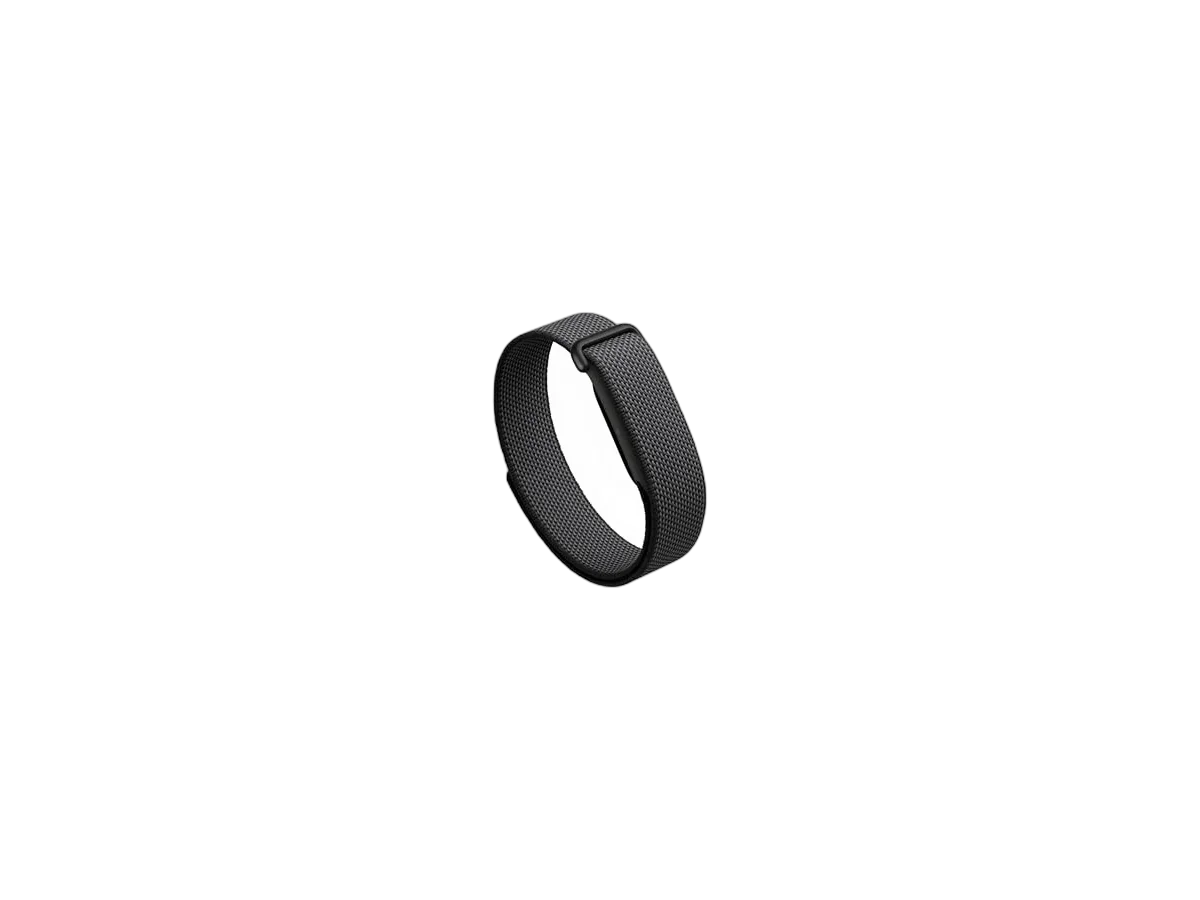 Google Fitbit AirPromising ValueBest for: People who want a lower-cost, screenless way to start tracking sleep and activity.Best entry value, especially if you already use Google's health ecosystem.Our full review$99.99 launch pricePrices change often; use the retailer link for the current price.
 -
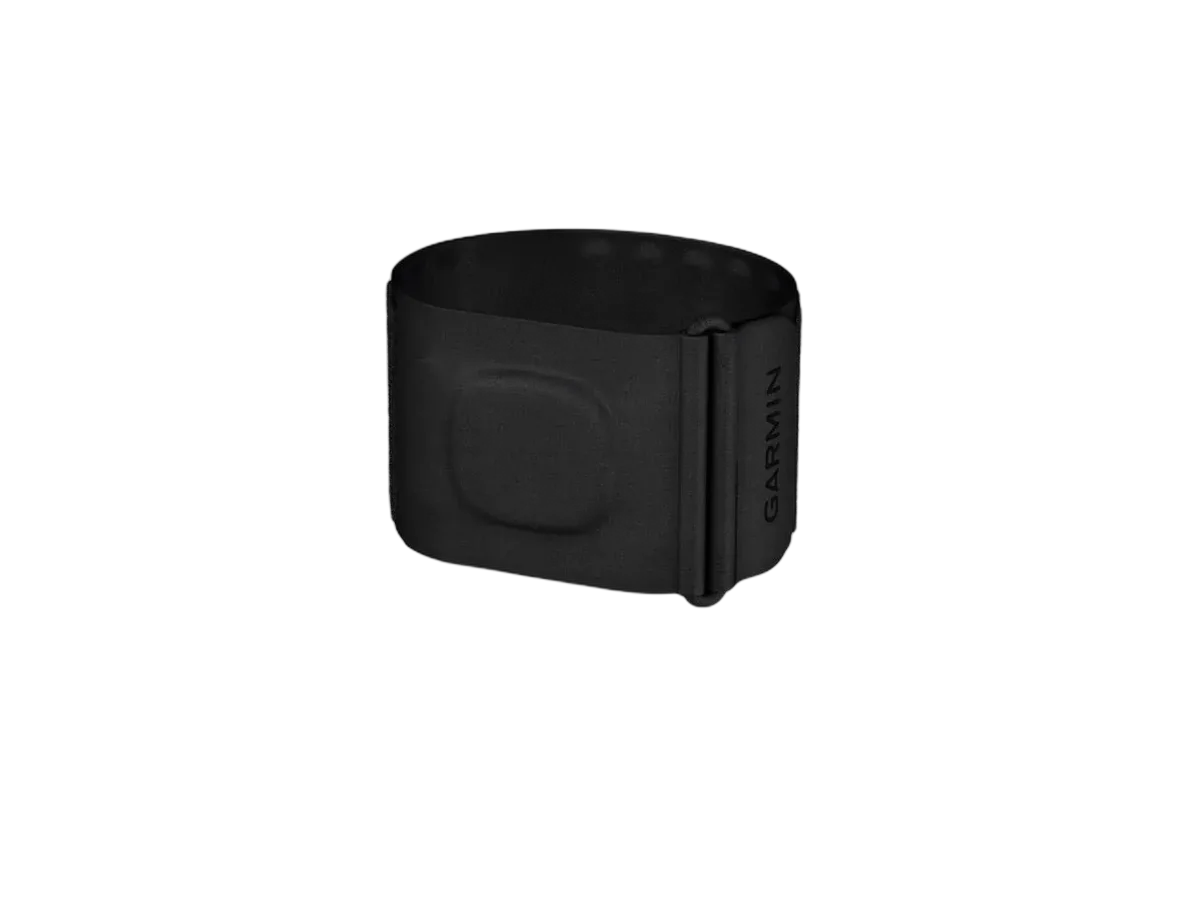 Garmin Index Sleep MonitorGood Garmin AccessoryBest for: Garmin users who want overnight data without sleeping in a watch.Best Garmin accessory and the cleanest no-subscription fit for Garmin households.Our full review$169.99Prices change often; use the retailer link for the current price.
How we'd choose
| Pick | Our call | Buy it for | The catch |
|---|---|---|---|
| Oura Ring 5 | Strong, But Expensive | People who want the deepest sleep and recovery picture in a discreet ring. | — |
| Google Fitbit Air | Promising Value | People who want a lower-cost, screenless way to start tracking sleep and activity. | — |
| Garmin Index Sleep Monitor | Good Garmin Accessory | Garmin users who want overnight data without sleeping in a watch. | — |
-
Oura Ring 5
- Our call
- Strong, But Expensive
- Buy it for
- People who want the deepest sleep and recovery picture in a discreet ring.
- The catch
- —
-
Google Fitbit Air
- Our call
- Promising Value
- Buy it for
- People who want a lower-cost, screenless way to start tracking sleep and activity.
- The catch
- —
-
Garmin Index Sleep Monitor
- Our call
- Good Garmin Accessory
- Buy it for
- Garmin users who want overnight data without sleeping in a watch.
- The catch
- —
As an Amazon Associate, we may earn from qualifying purchases.
The best sleep tracker is not automatically the one with the most sensors. It is the one you will wear consistently, whose app you will actually open, and whose ongoing cost will not make you regret the purchase.
This is a side-by-side call on which one is actually worth it. We compared the current product positioning, official specifications, pricing, and ecosystem tradeoffs for the Oura Ring 5, Google Fitbit Air, and Garmin Index Sleep Monitor. Prices and included trials can change, so confirm the live offer before ordering.
Quick answer
- Choose Oura Ring 5 if you want the richest sleep and recovery insight layer in the smallest form factor and are comfortable paying for membership. Read our Oura Ring 5 review for the full cost breakdown.
- Choose Google Fitbit Air if you want to spend about $100, do not want a screen on your wrist, and already like the Fitbit or Google health ecosystem. See our Google Fitbit Air review for the launch details and open questions.
- Choose Garmin Index Sleep Monitor if you already use Garmin Connect and want to leave your main watch on the nightstand. Our Garmin Index Sleep Monitor review goes deeper on placement, battery, and compatibility.
At-a-glance comparison
| Product | Form factor | Best fit | Battery claim | Ongoing-cost question |
|---|---|---|---|---|
| Oura Ring 5 | Discreet smart ring | Insight-first sleep and recovery tracking | 6–9 days | Detailed insights require Oura Membership |
| Google Fitbit Air | Screenless wearable | Lower-cost entry into sleep and activity tracking | Up to about a week | Check current Fitbit/Google premium terms |
| Garmin Index Sleep Monitor | Upper-arm sleep band | Garmin users who dislike sleeping in a watch | Up to 7 nights | Core Garmin Connect experience has no separate required subscription |
The real difference: what you wear and where the data lives
Oura Ring 5: the most complete sleep-first product
Oura’s advantage is not simply that it is a ring. It is that the product is built around trends: sleep, readiness, stress, activity, temperature, and related health signals in one app. The Ring 5 is also positioned as 40% smaller than the previous generation, with a claimed six-to-nine-day battery window.
That makes Oura the most compelling option for someone who wants to learn from data over weeks and months. It is also the easiest one to overbuy. The ring starts at $399, higher finishes cost more, and the membership is part of the value proposition rather than an optional extra.
Buy Oura if: you want a discreet ring, care more about overnight trends than live workout stats, and will use the app’s coaching layer.
Skip Oura if: you dislike subscriptions, need a screen for workouts or notifications, or only want basic activity totals.
Check the current Oura Ring 5 price or read the Oura Ring 5 review first.
Google Fitbit Air: the most approachable entry point
Fitbit Air is the simplest pitch of the three: a screenless device, a relatively low launch price, and tracking for heart rate, sleep stages, sleep duration, and activity through the Fitbit or Google health experience. Google says it works with both Android and iOS and can run for up to a week between charges.
The tradeoff is maturity. Oura and Garmin have established ecosystems around their specific strengths, while Fitbit Air is a newer product. That does not make it a bad choice; it means the buying decision should include the app experience, premium features, and return policy—not just the $99.99 entry price.
Buy Fitbit Air if: you want to try screenless tracking without spending several hundred dollars and you are comfortable checking the current Google/Fitbit feature terms.
Skip Fitbit Air if: you want a fully established recovery ecosystem, a live display, or detailed long-term insight features without verifying a premium plan.
Check the Fitbit Air Amazon listing or read the Google Fitbit Air review.
Garmin Index Sleep Monitor: the best accessory for Garmin users
Garmin takes a different route. The Index Sleep Monitor is an upper-arm band designed to collect overnight data—sleep stages, HRV status, breathing variations, skin temperature, and Pulse Ox—and send it into Garmin Connect. The appeal is not owning another all-day wearable. The appeal is getting sleep data without wearing your main watch to bed.
That makes the Garmin a focused purchase. If your household already uses Garmin watches and Garmin Connect, the accessory can fit neatly into the system. If you do not use Garmin hardware, much of the reason to choose it disappears.
Buy Garmin Index if: you are already in Garmin’s ecosystem and want a watch-free sleep option with up to seven nights of battery life.
Skip Garmin Index if: you want a single device for daytime activity and sleep, or you are starting from scratch and do not care about Garmin Connect.
Check the Garmin Index Sleep Monitor listing or read the Garmin Index Sleep Monitor review.
Which one is the best value?
The cheapest hardware is Fitbit Air, but hardware price is not the same thing as total cost. Compare the full ownership model:
- Oura: higher upfront cost plus membership for the detailed insight layer.
- Fitbit Air: lower upfront cost, but verify which coaching and health features require the current premium plan.
- Garmin Index: midrange hardware cost, with the strongest value when you already own compatible Garmin equipment and use Garmin Connect.
If this is your first wearable, Fitbit Air is the least expensive way to test whether you will actually wear a screenless tracker. If you already know you want deep sleep and recovery trends, Oura’s higher price is easier to justify. If you already own a Garmin watch, Index is the most coherent add-on.
Which one is best for sleep?
All three are designed to collect overnight information, but their reasons for existing are different. Oura emphasizes the broadest personal insight layer. Fitbit Air emphasizes accessibility and a screen-free experience. Garmin Index emphasizes a comfortable alternative to wearing a watch while preserving Garmin Connect continuity.
Do not interpret any of these consumer metrics as a diagnosis. A sleep score can help you notice patterns; it cannot explain every cause of fatigue, insomnia, breathing changes, or illness. Persistent or concerning symptoms belong with a qualified clinician.
Final verdict
Oura Ring 5 is the best overall choice for insight depth. Fitbit Air is the best low-cost starting point. Garmin Index Sleep Monitor is the best ecosystem choice for existing Garmin users.
The highest-converting recommendation is not always the highest-priced device. Match the form factor and cost model to the reader’s actual routine, then send them to the single-product review before the final click. That is the difference between a comparison page that gets traffic and one that helps a reader buy.
-
Oura Ring 5
Strong, But Expensive · People who want the deepest sleep and recovery picture in a discreet ring.
-
Google Fitbit Air
Promising Value · People who want a lower-cost, screenless way to start tracking sleep and activity.
-
Garmin Index Sleep Monitor
Good Garmin Accessory · Garmin users who want overnight data without sleeping in a watch.
As an Amazon Associate, we may earn from qualifying purchases.
Frequently asked questions
Which is better: Oura Ring 5, Fitbit Air, or Garmin Index Sleep Monitor?
Does Google Fitbit Air have a screen?
Which sleep tracker has the lowest ongoing cost?
Is Oura Ring 5 worth the subscription?
Affiliate disclosure
Some links on this page may be affiliate links — we may earn a commission if you buy through them, at no extra cost to you. We only recommend products we think are worth considering. Verdicts are not influenced by commissions.
Health disclaimer
This content is for informational purposes only and is not medical advice. Talk to a qualified professional before starting new supplements, treatments, or major health changes.