Isagenix Xango Juice review: a tangy mangosteen drink with subscription math
We may earn a commission if you buy through this link.
Isagenix Xango Juice is a low-calorie mangosteen concentrate made with the whole fruit and additional superfruit ingredients. Here is what the official listing says, what the price means, and who should skip it.
Our verdict
A distinctive, convenient fruit concentrate for someone who specifically wants mangosteen and a low-calorie daily ritual. The taste, subscription pricing, and limited role in a broader nutrition routine make it a niche buy rather than an all-purpose wellness solution.
Why we landed on Good, But Not Essential
A distinctive, convenient fruit concentrate for someone who specifically wants mangosteen and a low-calorie daily ritual. The taste, subscription pricing, and limited role in a broader nutrition routine make it a niche buy rather than an all-purpose wellness solution.
Who we'd buy it for Readers who specifically want a mangosteen-based, low-calorie fruit drink and are comfortable checking subscription pricing and the ingredient panel.
Who we'd tell to skip it You want protein, electrolytes, a budget-friendly juice, a clinically proven treatment, or a product that does not involve subscription pricing choices.
The part we will not talk past The current public snapshot showed $102 for two 25 fl oz bottles as a guest, or $76 with Subscription Rewards; pricing and package selection can change.
Pros
- The product uses whole mangosteen fruit, including the rind, pulp, and seeds, according to the official listing.
- The official page describes a naturally sweet and tangy drink with 15 calories per serving and no added sugar.
- The concentrate is simple to add to a daily routine and the page shows vegan, gluten-free, soy-free, and non-GMO dietary icons.
- The relationship provides a traceable Isagenix deep link for the exact product page.
Cons
- The current public snapshot showed $102 for two 25 fl oz bottles as a guest, or $76 with Subscription Rewards; pricing and package selection can change.
- It is a fruit concentrate, not a protein shake, electrolyte formula, or complete meal replacement.
- “Phytonutrient” and xanthone language describes the ingredient story, not a promise to prevent or treat a health condition.
- We have not tasted or tested Xango, so flavor, dilution preference, and long-term routine fit remain open questions.
We’d buy Xango only if you specifically want a low-calorie whole-fruit mangosteen concentrate as a daily ritual. We’d leave it if you want protein, electrolytes, a budget-friendly juice, a clinically proven treatment, or a product that does not involve subscription pricing choices. It is a fruit drink, not a wellness fix.
Isagenix makes it from the whole mangosteen fruit—including the rind, pulp, and seeds—along with fruit ingredients such as grape, pear, apple, blueberry, strawberry, raspberry, cranberry, and cherry. The official page calls the flavor naturally sweet and tangy, and the format is genuinely convenient: no fresh mangosteen to source or prep, just a daily pour.
That focus is the appeal for the right reader — a small, low-calorie daily ritual built around a fruit most people never get in whole form. It is not trying to be a protein shake, an electrolyte drink, or a meal replacement, so it is worth being clear about what job you want it to do.
This is our review of the label and the price. The linked Isagenix variation, price, subscription terms, shipping, serving size, ingredients, and availability can change.
What the current product page says
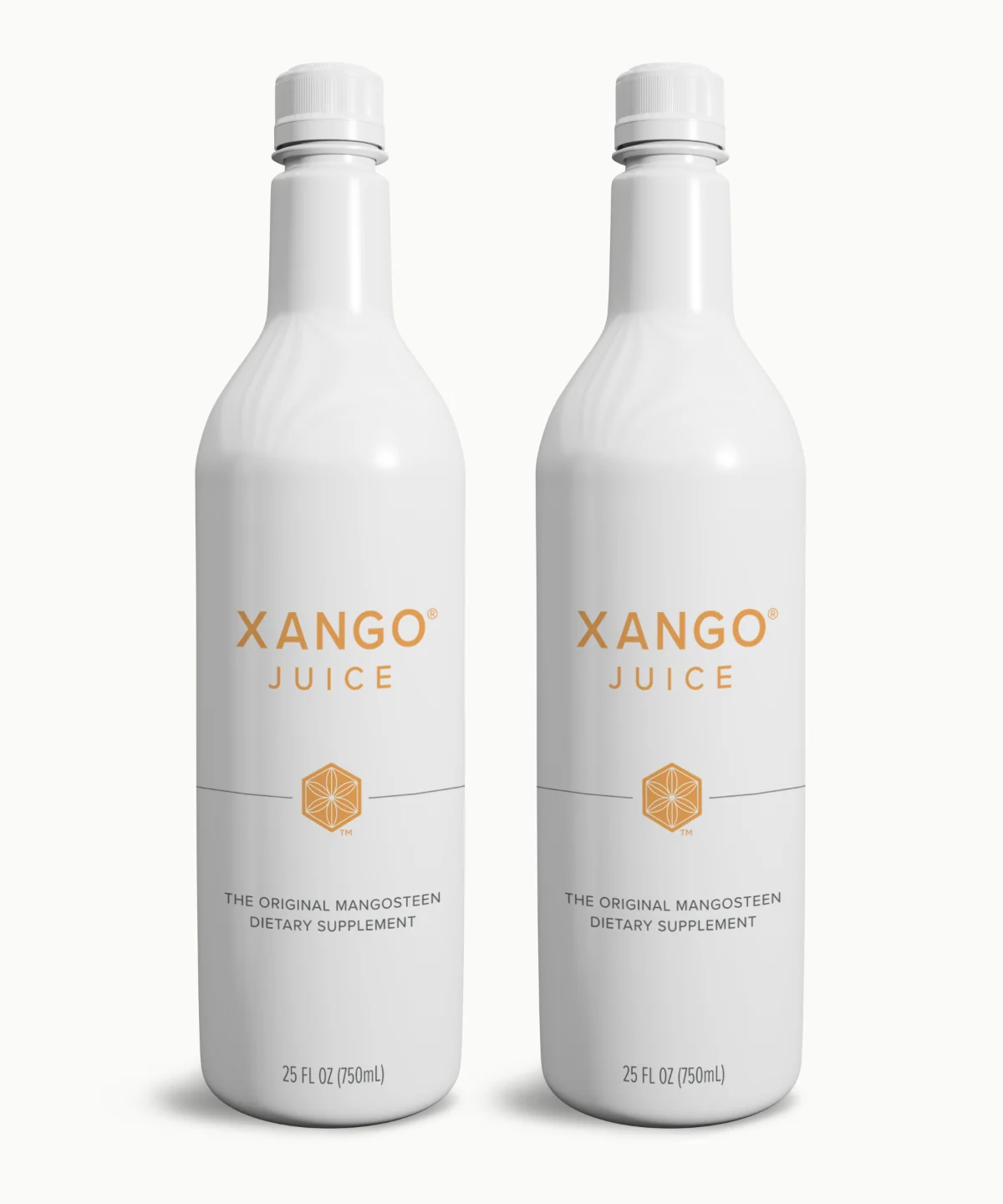
The official listing offers 1-count, 2-count, and 4-count packaging. The two-count snapshot checked for this review displayed two 25 fl oz (750 mL) bottles. It showed $102 for a guest order, $86 for a Preferred Customer, and $76 with Subscription Rewards, with free shipping shown on the subscription option in the snapshot.
That makes the price structure part of the review—not a footnote. Subscription pricing can lower the first displayed cost, but readers should confirm the renewal, cancellation, shipping, and customer-account terms before treating it as the normal price. The page also listed a 30-day satisfaction guarantee; verify the current conditions at checkout.
The mangosteen angle is the whole point
Xango uses the whole mangosteen fruit rather than only a flavor extract. Isagenix says that includes the rind, pulp, and seeds, which is where its xanthone and bioflavonoid story comes from. The page also lists additional fruit ingredients to round out the drink.
That may appeal to readers who enjoy ingredient-specific wellness products. It does not mean the drink is a universal answer for energy, immunity, inflammation, or disease prevention. “Phytonutrient” is a description of naturally occurring plant compounds, not a guarantee of a measurable health outcome for the person drinking it.
If a reader is considering Xango for a medical concern, medication interaction, pregnancy, or a restrictive diet, the responsible next step is to review the current label with a qualified healthcare professional.
Taste and convenience—without pretending we tasted it
Isagenix describes Xango as sweet and tangy with a mangosteen flavor. That is enough to set expectations, but not enough to call it delicious from our own experience. Fruit concentrates can be highly personal: some people prefer a small pour diluted with water, while others may find a tart or concentrated profile too intense.
The convenience is easier to evaluate from the format. A sealed bottle is simpler than buying and preparing fresh mangosteen, and the product page says it can be consumed at any time. The tradeoff is storage, bottle size, and the fact that the routine only works if the flavor becomes something you actually want to drink.
Dietary positioning
The current product page displays vegan, gluten-free, soy-free, and non-GMO dietary icons. Those labels are useful for initial screening, but they are not a substitute for reading the live ingredient and allergen information if a dietary restriction is medically important.
The official page also says Xango contains no added sugar and lists 15 calories per serving. “No added sugar” does not mean the beverage has no naturally occurring sugars or that every serving choice has the same nutrition profile. Check the current serving size and label rather than relying on the headline.
Is Xango useful for fitness?
It can fit around a fitness routine as a low-calorie fruit drink, but it should not be confused with sports nutrition. Xango does not replace protein after lifting, carbohydrates around a long session, or electrolytes after substantial sweat loss.
For the right reader, it may be a pleasant wellness ritual before or after a workout. For someone trying to solve hydration, recovery, or muscle-building, a more targeted product is likely easier to justify. The best use case is “I want this specific drink,” not “I need one supplement to cover every nutrition goal.”
Value and subscription math
The current two-count snapshot works out to about $38 per bottle with Subscription Rewards or $51 per bottle as a guest, before any taxes or changes in shipping. That is premium pricing for a fruit concentrate.
The value case depends on consistency and preference. If the reader likes the flavor, drinks it regularly, and values the ingredient story, the convenience may be worth paying for. If the bottle sits unopened or the person only wants a low-cost juice, the math gets poor quickly.
Do not choose the subscription only because it is the lowest number on the page. Check whether the account can be canceled easily, whether future shipments are automatic, and what the current satisfaction guarantee actually covers.
Final verdict
Distinctive but Niche. Xango Juice has a coherent proposition: a convenient mangosteen concentrate with whole-fruit positioning, a naturally sweet and tangy profile, and a low calorie count on the current product page.
The price is the catch. The guest snapshot was $102 for two bottles, while the subscription view showed $76, so the buyer needs to understand the account and renewal terms before comparing it with ordinary juice or other wellness drinks. Buy it because the mangosteen ritual fits your routine—not because “superfruit” sounds like a substitute for balanced nutrition or medical care.
This page is educational product research, not medical advice. We may earn a commission if you buy through the tracked Isagenix link, at no extra cost to you. The active relationship is verified for the Well Worth It Lab website property; no WWIL-specific customer discount code is currently verified.
Compare it with Isagenix BEA Glow and collagen drinks in our collagen drinks and shots guide →
Who it's for
Readers who specifically want a mangosteen-based, low-calorie fruit drink and are comfortable checking subscription pricing and the ingredient panel.
Who should skip it
You want protein, electrolytes, a budget-friendly juice, a clinically proven treatment, or a product that does not involve subscription pricing choices.
In this review
- Isagenix Xango Juice — 2-count, 25 fl oz bottlesPrices change often; use the retailer link for the current price.
Isagenix Xango Juice — 2-count, 25 fl oz bottles
Good, But Not Essential
A distinctive, convenient fruit concentrate for someone who specifically wants mangosteen and a low-calorie daily ritual. The taste, subscription pricing, and limited role in a broader nutrition routine make it a niche buy rather than an all-purpose wellness solution.
Frequently asked questions
Is Isagenix Xango Juice worth it?
What is in Xango Juice?
How many calories are in Xango Juice?
Does Xango Juice contain added sugar?
Is Xango Juice a supplement or a juice?
Affiliate disclosure
Some links on this page may be affiliate links — we may earn a commission if you buy through them, at no extra cost to you. We only recommend products we think are worth considering. Verdicts are not influenced by commissions.
Health disclaimer
This content is for informational purposes only and is not medical advice. Talk to a qualified professional before starting new supplements, treatments, or major health changes.