Ultrahuman Ring AIR review: is the subscription-free smart ring worth it?
We may earn a commission if you buy through this link.
Ultrahuman Ring AIR is the lighter, less expensive alternative to Ring PRO. This our review explains what the current US page supports, who it fits, and what to verify before buying.
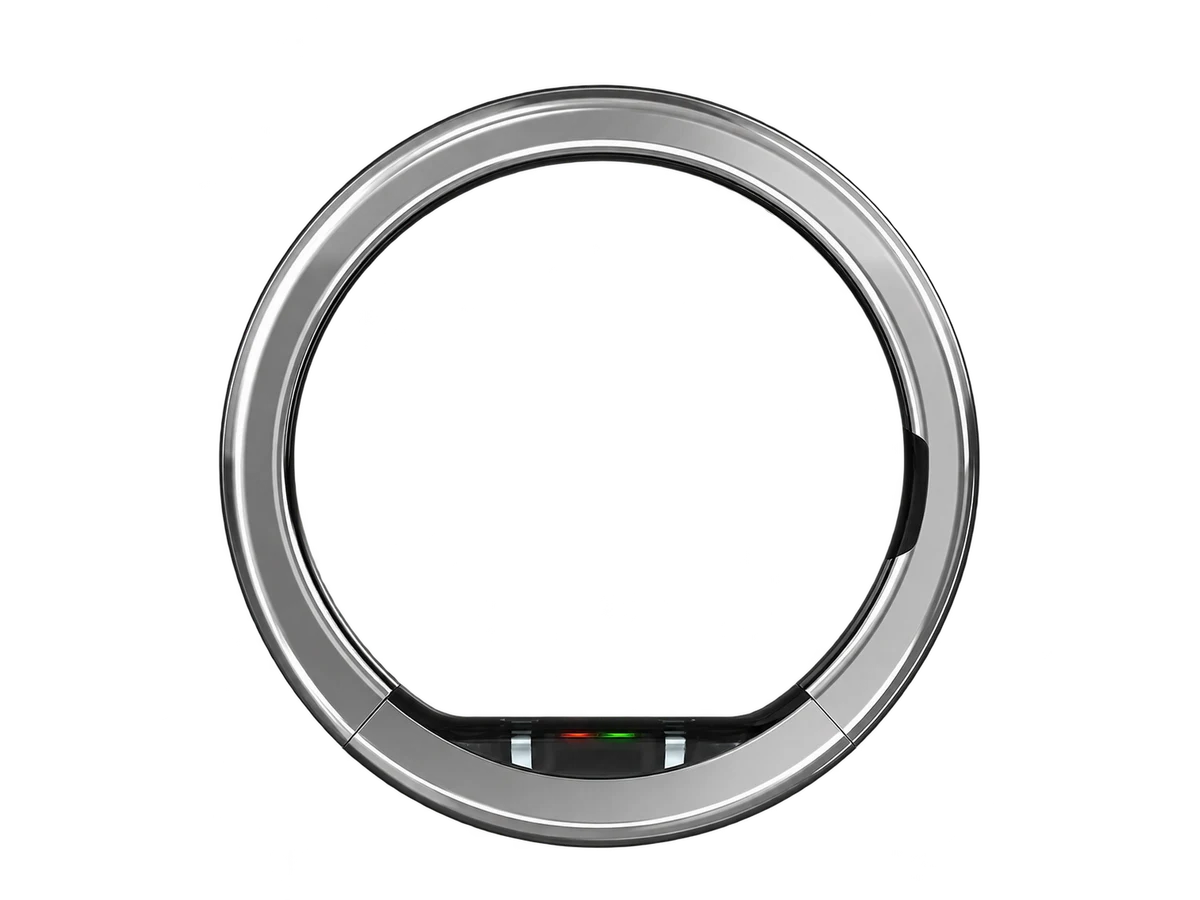
Our verdict
A sensible entry point for buyers who want a light, subscription-free smart-ring platform and will actually use the trends, but not a substitute for hands-on testing or clinical care.
Why we landed on Strong Buy
A sensible entry point for buyers who want a light, subscription-free smart-ring platform and will actually use the trends, but not a substitute for hands-on testing or clinical care.
Who we'd buy it for A first-time smart-ring buyer who wants a lighter, lower-cost way to explore sleep, recovery, movement, and wellness trends without a core subscription fee shown on the product page.
Who we'd tell to skip it You need a hands-on recommendation, want the longest charging flexibility, expect medical diagnosis, or are unlikely to wear and review the data consistently.
The part we will not talk past The listed 4–6 day battery life is shorter than Ring PRO's stated battery range and requires more regular charging.
Pros
- The current US comparison page lists Ring AIR at $349, $130 below Ring PRO's displayed $479 price.
- The lighter 2.4-gram, 2.4-millimeter design should appeal to buyers who want a low-profile wearable.
- Ultrahuman lists sleep, recovery, movement, temperature, and heart-related wellness signals in the broader platform.
- The official purchase page does not show a mandatory recurring membership fee for access to the ring's core data.
Cons
- The listed 4–6 day battery life is shorter than Ring PRO's stated battery range and requires more regular charging.
- A $349 smart ring is still a meaningful purchase if you are not sure you will wear it consistently.
- Official feature language is not proof of measurement accuracy, clinical performance, or a personal health outcome.
- We have not independently tested fit, comfort, battery endurance, app reliability, or sensor accuracy.
We’d buy Ultrahuman Ring AIR if you want a lighter, lower-cost way to explore sleep and recovery trends without a core subscription fee shown on the product page, and you will actually wear it. We’d skip it if you want the longest charging flexibility, expect a medical diagnosis, or are unlikely to wear and review the data. The current page compares AIR at $349 with Ring PRO at $479, and the cheaper ring already covers the everyday use case.
The official purchase destination also redirected to the Ring PRO comparison page when checked, so confirm that the live configuration, size, finish, stock, and delivery terms match the model you intend to buy.
Quick answer
Ring AIR is the sensible starting point for most first-time smart-ring buyers. The official comparison lists a 2.4-gram weight, 2.4-millimeter thickness, sizes 5–14, 100m/328 ft water resistance, and 4–6 days of battery life. Those specifications describe a relatively light entry into the category, but they do not guarantee a comfortable fit or a useful routine.
Buy it if you already know what you want to do with the data: adjust sleep timing, watch recovery trends, change training volume, or notice how travel and daily habits affect you. Skip it if the plan is only to collect another score in an app. A cheaper smart ring is still wasted money when it lives in a drawer.
What the current official page supports
The current US comparison page lists Ring AIR at $349 and Ring PRO at $479. AIR is shown at 2.4 mm thick and 2.4 grams, compared with PRO’s 2.65 mm thickness and 3.3–4.8 gram range. Both models are shown in sizes 5–14 with 100m/328 ft water resistance.
The page lists AIR battery life at 4–6 days and describes a standard wireless charging pad. Ring PRO is listed at up to 15 days, with a PRO Charging Case that can extend the case system to up to 45 days. Those numbers make PRO more convenient for frequent travel, but they do not make AIR a bad everyday option; they make charging a more important part of the AIR routine.
Ultrahuman positions the broader platform around sleep, dynamic recovery, stress rhythm, movement, temperature, and heart-related signals, with optional PowerPlugs. Treat those as product and wellness features. They are not proof that the ring will identify a medical condition, produce a clinically meaningful result for you, or prescribe the right training plan.
The main reason to choose AIR is adherence
The most important smart-ring specification is whether you keep wearing it. AIR’s lower weight and lower price reduce the cost of finding out whether a ring belongs in your routine. A lighter ring that stays on overnight can be more useful than a premium model that gets removed whenever charging or comfort becomes annoying.
That is also why the 4–6 day battery range matters. You will need a more regular charging habit than with Ring PRO, and the exact experience can vary with size, temperature, firmware, usage, and how often the ring syncs. Set a charging routine around a predictable gap—showering, desk time, or another moment when the ring is already off—instead of waiting for a surprise low-battery alert.
Sizing comes before the checkout button
The purchase flow presents sizing as an important step. Use it. Finger size changes during the day, after exercise, in heat, and overnight, and a ring that feels fine for ten minutes may not be the right fit for sleep.
Confirm the live sizing-kit process, finish, return policy, warranty, shipping estimate, and any current trade-in or HSA/FSA conditions. The page’s comparison table is useful for model selection, but it is not a substitute for checking the exact child variation you are ordering.
AIR versus Ring PRO
AIR is the better value when you want to test the habit and mainly care about sleep, recovery, movement, temperature, and general wellness trends. The $130 difference is meaningful, especially before taxes and shipping.
PRO is easier to justify if you travel often, dislike charging, want the PRO Charging Case, or already know you prefer a premium ring. The case and longer battery range solve a real convenience problem for some people. They do not automatically make the readings more useful.
Read the full Ultrahuman Ring PRO review if you are deciding whether the extra hardware earns its premium. The AIR versus PRO comparison lays out the current side-by-side tradeoffs.
The no-subscription question
The official purchase page reviewed here does not show a mandatory recurring membership fee for accessing the ring’s core data. That is an attractive difference for buyers who do not want another monthly bill, but optional PowerPlugs and app features can have their own terms.
Check the live app and product terms before ordering. “No required subscription” should mean no required recurring fee for the core experience you are buying; it should not be read as a promise that every future feature, coaching layer, or optional service will always be free.
Who should buy Ring AIR
Ring AIR fits a buyer who wants a lower-risk entry into smart rings, prefers a lighter wearable, and has a specific plan for using the trends. It is a particularly reasonable starting point for someone who does not need a screen on the wrist and wants sleep or recovery context without paying for the PRO charging system.
It also fits buyers who are disciplined about charging. If you already charge a watch or headphones during a predictable part of the day, the AIR routine is easier to maintain.
Who should skip it
Skip AIR if you want diagnosis, medical-grade monitoring, or a hands-on recommendation. Skip it if you know daily or near-daily charging will frustrate you, or if you are not yet convinced that you will wear a ring overnight.
If the budget is tight, prove the habit with a simpler wearable—or wait. A product can be well designed and still not be worth buying for a routine you will not follow.
Final verdict
Ring AIR is the better starting point; Ring PRO is the better charging system. AIR makes sense when its lighter build and lower price help you establish a wearable habit. PRO earns the upgrade when the charging case and longer battery flexibility solve a problem you already have.
Read the official Ultrahuman Ring purchase page, confirm the live AIR configuration, sizing, finish, shipping, returns, warranty, and optional feature pricing, then use the approved tracked link above if the fit makes sense. Well Worth It Lab may earn a commission from this link, at no additional cost to the buyer. This page is product research, not medical advice or independent device testing.
Who it's for
A first-time smart-ring buyer who wants a lighter, lower-cost way to explore sleep, recovery, movement, and wellness trends without a core subscription fee shown on the product page.
Who should skip it
You need a hands-on recommendation, want the longest charging flexibility, expect medical diagnosis, or are unlikely to wear and review the data consistently.
In this review
- Ultrahuman Ring AIRThe official US page currently compares Ring AIR at $349 and lists 4–6 days of battery life. Its purchase destination redirected to the Ring PRO comparison page when checked, so confirm the live AIR configuration, size, finish, stock, delivery, returns, and included charger before checkout.Prices change often; use the retailer link for the current price.
Ultrahuman Ring AIR
Strong Buy
A sensible entry point for buyers who want a light, subscription-free smart-ring platform and will actually use the trends, but not a substitute for hands-on testing or clinical care.
Frequently asked questions
Is Ultrahuman Ring AIR worth it?
How much does Ultrahuman Ring AIR cost?
How long does Ring AIR's battery last?
Does Ultrahuman Ring AIR require a subscription?
Is Ring AIR a medical device?
Is there a WWIL discount code for Ultrahuman?
Affiliate disclosure
Some links on this page may be affiliate links — we may earn a commission if you buy through them, at no extra cost to you. We only recommend products we think are worth considering. Verdicts are not influenced by commissions.
Health disclaimer
This content is for informational purposes only and is not medical advice. Talk to a qualified professional before starting new supplements, treatments, or major health changes.